Mastering Virtual Sweat Fitness Strategies to Try in 2026
As we approach 2026, the world of fitness continues to evolve rapidly, especially in the realm of virtual workouts. The pandemic has altered our approach to fitness, making virtual platforms an integral part of our routines. With technology advancing, it is essential to adapt and refine our fitness strategies to maximise the benefits of these platforms. In this article, we will explore various innovative virtual sweat fitness strategies that you can try to elevate your fitness game in 2026.
Embracing Interactive Fitness Platforms
In 2026, the rise of interactive fitness platforms is set to redefine how we engage with our workouts. These platforms offer a more immersive experience than traditional video workouts, incorporating elements such as live feedback, social interaction, and gamification. By participating in virtual classes that allow real-time communication with trainers and fellow participants, you can enhance your motivation and accountability. Whether it is through group classes or one-on-one training sessions, the interactive element not only provides a sense of community but also encourages you to push your limits.
Utilising Wearable Technology
The integration of wearable technology into fitness routines is becoming increasingly sophisticated. In 2026, smart devices will offer advanced tracking capabilities that provide insights into your performance metrics that were previously unattainable. From heart rate monitors to smart shoes, these devices can track your movements, calorie expenditure, and even recovery times. By utilising this data, you can tailor your virtual workouts to suit your specific needs, ensuring that you are not only working hard but also working smart.
People Also Look For:
- FitBiz: Launching Virtual Fitness Coaching for Under $1000
- Virtual fitness coaching for women: Benefits and Challenges
- Get Fit with Virtual Reality: The Ultimate Beginner’s Guide to VR Fitness: A Step-by-Step Guide to Fun and Effective Home W...
- KKCOBVR K3 Facial Interface Fan with Leather Face Pad Compatible with Meta Quest3, Relieve Lens Fogging and Fits Use with Quest 3 ...
- Face Cover Pad for Oculus Quest 2, Face Cover Replacement Sweat-Proof Foam Cushion, VR Facial Interface Accessories Compatible wit...
Engaging with Virtual Reality Workouts
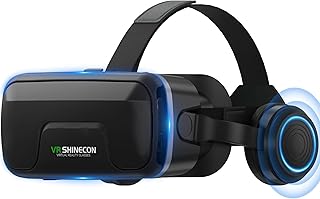
Virtual reality (VR) workouts are set to take the fitness world by storm in 2026. These immersive experiences allow you to engage in workouts that feel incredibly real, transporting you to different environments while you exercise. Whether you are climbing a virtual mountain or dancing in a vibrant club setting, VR workouts can significantly enhance your motivation and enjoyment. As these technologies become more accessible, incorporating VR into your fitness routine can provide a fresh and exciting way to stay active.
Personalising Your Fitness Journey
With advancements in artificial intelligence, personalisation will reach new heights in 2026. AI-driven fitness applications will analyse your performance data, preferences, and goals to create customised workout plans tailored specifically for you. This level of personalisation ensures that you are consistently challenged and engaged, making it easier to maintain your fitness journey. Furthermore, these applications can adapt your routine based on your progress, ensuring that you are always moving forward and not plateauing.
Incorporating Mindfulness and Recovery
As the focus on holistic health continues to grow, integrating mindfulness and recovery practices into your virtual fitness regime will be crucial in 2026. Virtual platforms offering yoga, meditation, and guided recovery sessions will help balance the intensity of your workouts. Prioritising mental well-being alongside physical fitness is essential for long-term success. By incorporating these practices, you can enhance your overall performance and reduce the risk of burnout.
Making Use of Social Media Challenges
Social media platforms will play an increasingly significant role in fitness in 2026. Engaging in fitness challenges on platforms like Instagram and TikTok can create a sense of camaraderie and competition. By participating in these challenges, you can connect with like-minded individuals, share your progress, and gain inspiration from others. These challenges often bring a fun element to workouts, making it easier to stay committed and motivated.
Exploring Hybrid Fitness Models
The future of fitness will likely involve a hybrid model that combines both virtual and in-person workouts. In 2026, gyms and fitness studios may offer options that allow members to choose between attending classes in person or joining virtually. This flexibility caters to individuals' preferences and schedules, enabling more people to engage in regular exercise. The hybrid model also promotes inclusivity, making fitness accessible to those who may have previously been deterred by traditional gym environments.